Rare & Specialty Cultivatable Species
16 tips in Species Guides
By Andrew Langevin · Founder, Nature Lion Inc · Contributing author, Mushroomology (Brill, 2026)
Nameko (*Pholiota nameko*) is a prized Japanese species known for its amber-orange caps covered in a distinctive gelatinous slime layer (mucilage) that is central to Japanese soups and stews.
Growing parameters for nameko:
- Substrate: supplemented hardwood sawdust, preferably beech or oak. Masters Mix also works well. Must be sterilized at 15 PSI for 2.5 hours
- Colonization: 20-24°C for 4-6 weeks — significantly slower than oyster mushrooms
- Fruiting trigger: a cold shock to 10-13°C is essential to initiate pinning. Without this drop, blocks often stall
- Fruiting temperature: 10-16°C with 90-95% humidity
- FAE: moderate, lower than oyster mushrooms
Nameko fruits in tight clusters of small, round caps coated in a glossy slime. The mucilage is not a defect — it is the defining culinary feature. Harvest when caps are still convex and fully coated.
Nameko is an intermediate-level species that rewards patient growers with a unique product commanding $15-25 per pound at specialty markets.
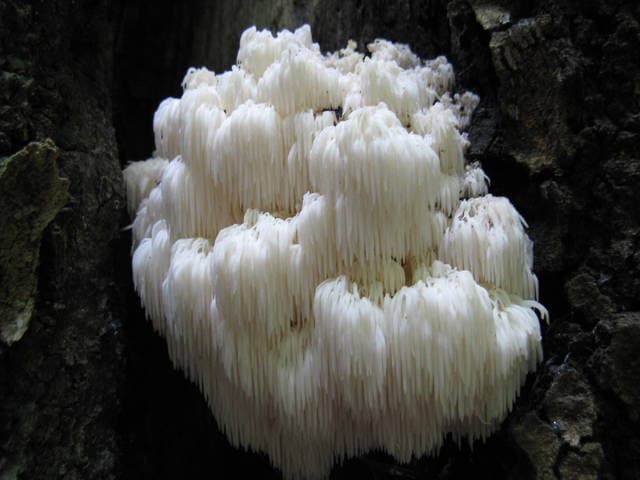
Bear's head tooth (*Hericium americanum*) is a close relative of lion's mane that produces cascading, branching icicle-like spines instead of a single compact globe. The flavor and medicinal properties are similar to lion's mane, but the growth habit is distinctly different.
Growing parameters:
- Substrate: supplemented hardwood sawdust, Masters Mix, or hardwood logs. Sterilize bags at 15 PSI for 2.5 hours
- Colonization: 20-24°C for 2-4 weeks, slightly faster than lion's mane
- Fruiting: 15-20°C with 90-95% humidity and moderate FAE
- Light: indirect ambient light helps direct fruiting body development
Key differences from lion's mane:
- Branching growth pattern — multiple branches emerge from a central point, each tipped with short hanging spines
- More forgiving of humidity fluctuations than lion's mane
- Slightly lower yields per block but fruits more reliably in imperfect conditions
- Log cultivation works well — drill-and-plug inoculation on hardwood logs produces annual flushes for 3-6 years
Bear's head tooth is an excellent alternative for growers who struggle with lion's mane humidity requirements — it tolerates a wider range of conditions while delivering similar culinary quality.
Comb tooth (*Hericium coralloides*) is the most visually striking member of the Hericium genus, producing coral-like branching structures covered in delicate hanging spines. It is rarer in cultivation than lion's mane but entirely possible with standard gourmet mushroom equipment.
Growing parameters:
- Substrate: supplemented hardwood sawdust (beech, maple, or oak) with 10-15% wheat bran, sterilized at 15 PSI for 2.5 hours
- Colonization: 20-24°C for 3-5 weeks — colonizes more slowly than lion's mane
- Fruiting: 13-18°C with 90-95% humidity
- FAE: moderate to high
- Light: indirect light required for proper fruiting body formation
Comb tooth produces a more complex branching structure than bear's head tooth, with spines emerging along the full length of each branch rather than just the tips. The result resembles an underwater coral formation.
- Flavor: mild, sweet, and seafood-like — very similar to lion's mane
- Texture: more delicate than lion's mane, best prepared gently
- Yields: lower than lion's mane, typically 0.5-1 lb per 5 lb block
Comb tooth is a specialty product best suited for growers who already have Hericium experience and want to offer something truly unusual at farmers markets.
Velvet pioppino (*Agrocybe cylindracea*) is a distinct species from the standard pioppino (*A. aegerita*), producing paler caps with a velvety surface texture and a slightly milder flavor profile.
Growing parameters:
- Substrate: supplemented hardwood sawdust or Masters Mix, sterilized. Cottonwood and willow sawdust are traditional but any hardwood pellets work
- Colonization: 21-24°C for 3-5 weeks
- Fruiting: 15-20°C with 85-95% humidity
- FAE: moderate to high — insufficient air exchange causes elongated stems with underdeveloped caps
- Spawn rate: 10-15% by weight
Key differences from standard pioppino (A. aegerita):
- Cap texture: velvety rather than smooth, with a lighter tan coloration
- Growth habit: slightly less dense clusters with thinner stems
- Temperature range: tolerates warmer fruiting temperatures by 2-3°C
- Flavor: milder and more delicate than standard pioppino
- Availability: spawn is harder to source — fewer commercial suppliers carry this species
Velvet pioppino is worth growing if you can find reliable spawn, but most growers will find standard pioppino (A. aegerita) easier to source and more productive.
Shaggy mane (*Coprinus comatus*) is one of the most challenging edible mushrooms to cultivate because it autodigests — the caps liquefy into black ink within hours of maturity, making harvest timing extremely critical.
Cultivation approaches:
- Outdoor beds: the most reliable method. Mix grain spawn into composted manure or garden soil at a depth of 10-15cm. Cover with a layer of straw mulch. Water regularly. Shaggy manes may fruit within 2-3 months in temperate climates
- Casing soil: shaggy mane requires a nutrient-poor casing layer (peat moss and lime, or garden soil) to trigger fruiting — similar to Agaricus cultivation
- Indoor bags: possible on supplemented sawdust but results are inconsistent and yields are poor
Critical challenges:
- Autodigestion (deliquescence): caps begin dissolving within 4-6 hours of reaching maturity. You must harvest when the caps are still bullet-shaped and white
- Cannot be stored fresh for more than a few hours without starting to blacken
- No commercial viability for fresh market due to the short shelf life
- Best preserved by sauteing and freezing immediately after harvest
Shaggy mane is a rewarding outdoor project for home growers who can harvest and cook within minutes, but it is essentially impossible as a commercial crop.
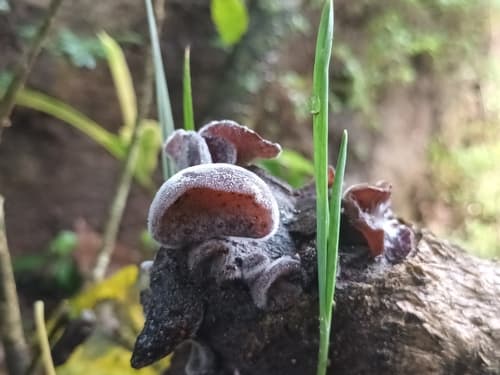
Wood ear (*Auricularia auricula-judae*) is a warm-weather species widely used in Asian cuisine for its distinctive crunchy-gelatinous texture. It is one of the most widely cultivated mushrooms globally, especially in China.
Growing parameters:
- Substrate: supplemented hardwood sawdust (oak, beech, or mixed hardwood) with 10-15% wheat bran, sterilized at 15 PSI for 2.5 hours. Log cultivation on hardwood also works well
- Colonization: 25-30°C for 4-6 weeks — this species needs warmth
- Fruiting: 20-30°C with 85-95% humidity
- FAE: moderate
- Light: diffuse natural light helps trigger pinning
Wood ear mushrooms are ear-shaped, thin, and rubbery when fresh, with a dark brown to black color. They have almost no flavor on their own but absorb sauces beautifully and add a satisfying crunch to stir-fries, soups, and salads.
- Yields: 0.75-1.5 lbs per 5 lb block over multiple flushes
- Drying: wood ears dry exceptionally well and rehydrate perfectly, making them ideal for long-term storage
- Shelf life: fresh wood ears last 7-10 days refrigerated
Wood ear is an excellent species for growers in warm climates who struggle with cool-temperature species like shiitake and nameko.
Paddy straw mushroom (*Volvariella volvacea*) is a tropical species widely cultivated across Southeast Asia, requiring sustained high temperatures that make it impractical in temperate climates without heated growing spaces.
Growing parameters:
- Substrate: rice straw (traditional), cotton waste, oil palm waste, or composted banana leaves. Pasteurize at 70-80°C for 2 hours
- Colonization: 30-35°C for 7-10 days — this species will not grow below 25°C
- Fruiting: 28-34°C with 85-95% humidity
- FAE: moderate
- Method: outdoor bed cultivation in tropical climates, or heated indoor chambers in temperate regions
Paddy straw mushrooms fruit rapidly at high temperatures — the complete cycle from inoculation to harvest takes only 2-3 weeks in ideal conditions. They are harvested at the "egg" stage (before the universal veil breaks) for the best culinary quality.
Critical warnings:
- Immature paddy straw mushrooms look dangerously similar to deadly *Amanita* species at the button stage. Never forage wild specimens
- Cannot be grown outdoors in climates where temperatures drop below 25°C at night
- Very short shelf life of 1-2 days fresh
Paddy straw is best suited for growers in tropical regions or those with heated growing chambers who can maintain 30°C+ consistently.
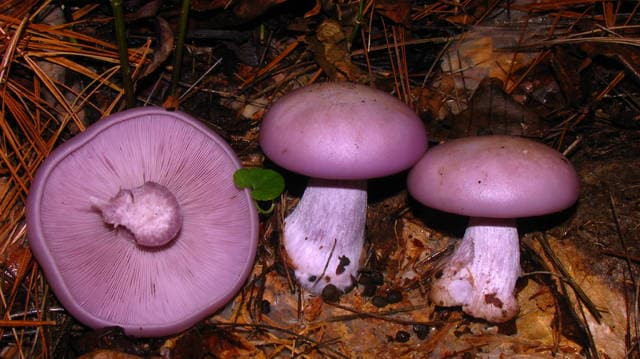
Blewit (*Lepista nuda*) is a cold-hardy species with a striking violet-purple color that grows best in outdoor compost beds rather than indoor controlled environments.
Growing parameters:
- Substrate: well-aged compost, leaf litter, or a mix of composted manure and garden waste. Unlike most gourmet species, blewit is a secondary decomposer that feeds on partially broken-down organic matter
- Inoculation: mix grain spawn into compost at 15-20% by volume and spread in beds 10-15cm deep
- Colonization: 15-20°C, may take 6-12 weeks depending on conditions
- Fruiting: triggered by cool fall temperatures of 5-15°C and rain
- Light: natural outdoor conditions
Blewit mushrooms are unique because they prefer cool to cold conditions that would stall most other cultivated species. They fruit naturally in autumn when temperatures drop, often continuing to produce after the first light frosts.
- Color: distinctive violet to lilac, fading to tan as they mature
- Flavor: mild, slightly floral, excellent sauteed with butter
- Must be cooked — raw blewits can cause digestive upset
Blewit is the ideal project for growers in cold northern climates who want a species that thrives when everything else has stopped producing.
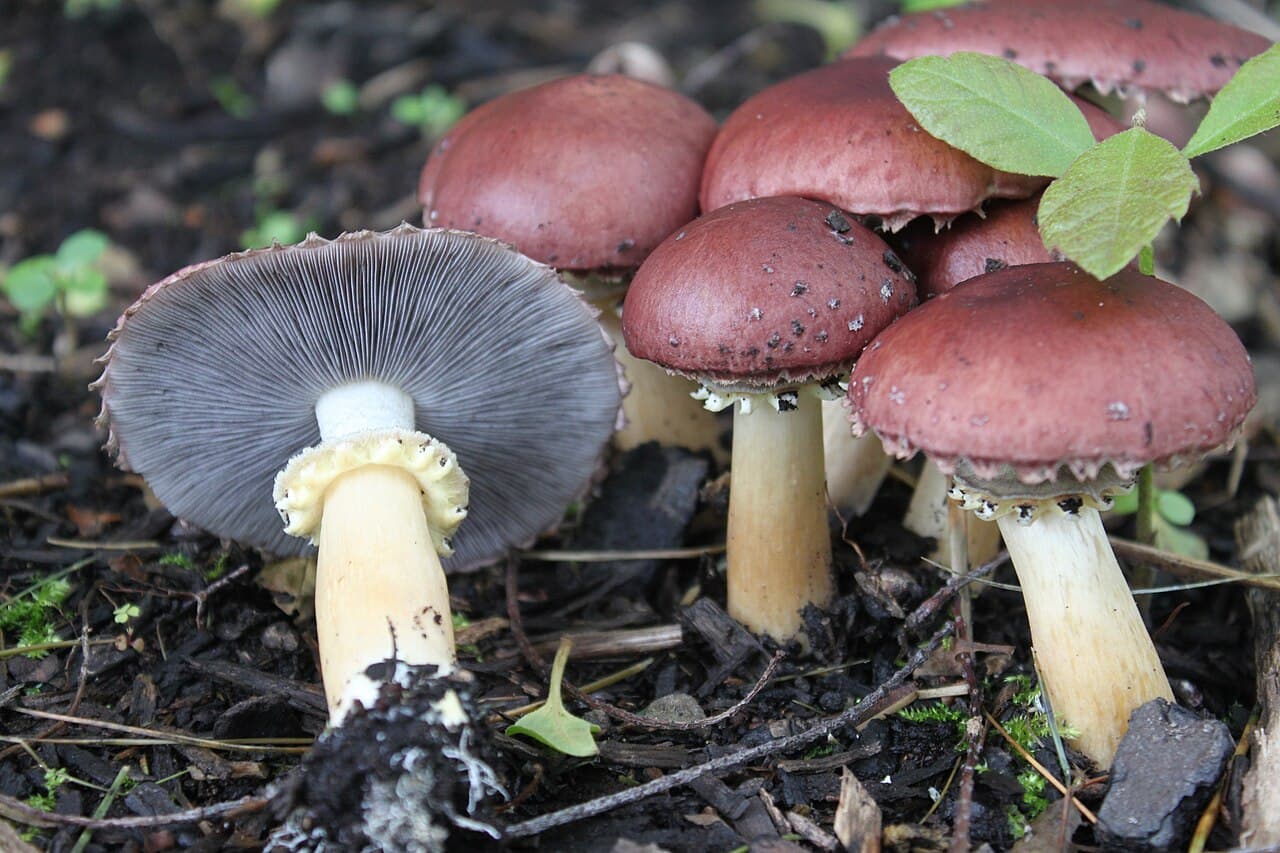
Wine cap (*Stropharia rugosoannulata*) is the easiest species for large-scale outdoor cultivation in temperate climates, producing massive burgundy-capped mushrooms in simple wood chip beds with minimal maintenance.
Step-by-step wood chip bed method:
- Choose a shady location under trees or along a north-facing fence line — wine caps need protection from direct sun and drying winds
- Lay cardboard on the ground to suppress weeds and retain moisture
- Spread 10-15cm of fresh hardwood chips (not cedar or pine) over the cardboard. Ramial wood chips from deciduous trees are ideal
- Distribute grain spawn or sawdust spawn across the chip surface at a rate of 1 lb spawn per 10 square feet
- Cover with another 5-10cm of wood chips, then water thoroughly
- Keep moist — water during dry periods as you would a garden bed
Timeline and expectations:
- Colonization: 2-4 months, visible as white mycelium spreading through the chip layer
- First fruiting: typically the following spring or fall after inoculation, triggered by rain and temperature shifts
- Mushroom size: caps can reach 15-30cm diameter — among the largest of any cultivated species
- Ongoing production: beds can fruit for 3-5 years if topped with fresh chips annually
Wine cap beds are essentially maintenance-free mushroom gardens that integrate beautifully into permaculture and garden systems.
Scaling wine cap (*Stropharia rugosoannulata*) production commercially requires a shift from casual garden beds to systematic outdoor bed management with attention to spawn economics, harvest logistics, and market timing.
Commercial bed establishment:
- Bed size: commercial growers typically maintain 500-2,000+ square feet of active beds
- Substrate: sourcing consistent, fresh hardwood chips is the primary logistical challenge. Partner with local arborists and tree services for free or low-cost chip delivery
- Spawn rate: at commercial scale, use sawdust spawn rather than grain spawn to reduce costs. Target 0.5-1 lb per 10 square feet
- Bed rotation: establish new beds annually while older beds continue producing, creating a 3-year rolling production system
Economic considerations:
- Yields: expect 0.5-2 lbs per square foot per season from established beds
- Market price: $8-15 per pound at farmers markets and to restaurants
- Input costs: extremely low after initial spawn purchase — wood chips are often free
- Labor: harvest is the main labor cost. Wine caps must be picked at the right stage and cannot be mechanized
Challenges at scale:
- Seasonal production only in most climates — no winter harvests without heated structures
- Unpredictable flush timing makes restaurant supply commitments difficult
- Pest pressure increases with bed size — slugs are the primary enemy
Wine cap is one of the lowest-input commercial mushroom crops but requires patience and acceptance of seasonal, weather-dependent production.
Chicken of the woods (*Laetiporus* species) is extremely difficult to cultivate reliably, and no consistent indoor cultivation method has been established. However, limited success has been achieved with outdoor log and buried-wood methods.
What has worked (with limited success):
- Buried hardwood logs: inoculate oak, cherry, or sweet gum logs with Laetiporus plug spawn or sawdust spawn. Bury logs halfway in soil in a shady, moist location. Fruiting may occur after 1-3 years — or never
- Stump inoculation: drill and plug freshly cut hardwood stumps. This mimics the natural ecology where Laetiporus colonizes dead or dying trees
- Large diameter logs: use logs at least 20cm diameter — the fungus needs substantial wood mass to establish
Why indoor cultivation fails:
- Laetiporus is a brown rot fungus that requires large volumes of intact wood, not ground sawdust
- The mycelium grows extremely slowly in culture — months to colonize a single plate
- Fruiting triggers are poorly understood and difficult to replicate indoors
- Multiple species exist under the Laetiporus umbrella, each with different host preferences
If you want chicken of the woods, foraging is far more reliable than cultivation. For growers determined to try, buried oak logs in a moist, shady garden are your best bet — but set expectations low.
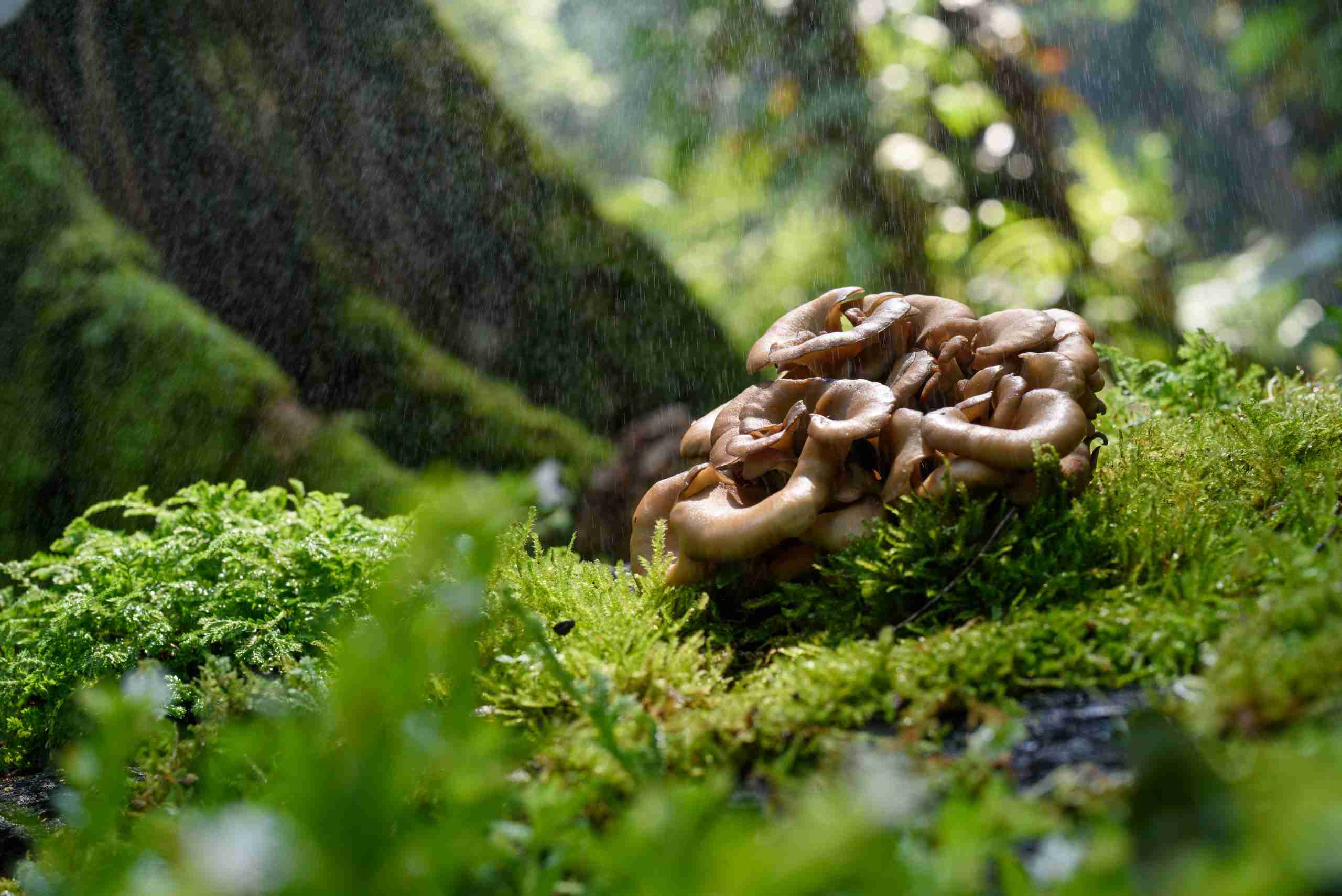
Yes, maitake (*Grifola frondosa*) can be grown commercially, but the extremely long production cycle of 12-20 weeks per block makes it one of the most capital-intensive gourmet species to produce.
Commercial maitake production:
- Substrate: supplemented hardwood sawdust (oak preferred) with 15-20% wheat bran, sterilized in large bags or bottles
- Colonization: 21-24°C for 8-16 weeks — this is the bottleneck. Each block ties up incubation space for 2-4 months
- Fruiting trigger: cold shock to 12-15°C with increased FAE and light exposure
- Fruiting period: 2-4 weeks after cold shock, producing one large rosette per block
- Yields: 0.5-1.5 lbs per 5 lb block — lower biological efficiency than oyster mushrooms
Economic analysis:
- Retail price: $15-25 per pound, among the highest for gourmet mushrooms
- The math problem: a block that takes 16 weeks to produce 1 lb of maitake at $20 occupies the same space that could produce 4-6 cycles of oyster mushrooms at $10/lb each
- Working capital: you need to finance 3-4 months of production before any revenue
Maitake works commercially as a premium add-on product for established farms that already have reliable revenue from faster species. Starting a farm exclusively with maitake is extremely risky.
Mushroom species span a wide range of cultivation difficulty, from nearly foolproof to essentially impossible. Here is a ranking of 20+ species from easiest to hardest based on equipment needed, contamination resistance, and environmental sensitivity.
Beginner — minimal equipment, very forgiving:
- Oyster mushrooms (Pleurotus species) — the undisputed easiest. Grows on almost anything, colonizes fast, tolerates imprecise conditions
- Wine cap (Stropharia rugosoannulata) — outdoor wood chip beds, almost zero maintenance
- Elm oyster (Hypsizygus ulmarius) — similar to king oyster but more forgiving
Intermediate — requires pressure cooker and basic climate control:
- Shiitake (Lentinula edodes) — reliable on logs or sawdust blocks, cold shock fruiting
- Lion's mane (Hericium erinaceus) — needs high humidity but otherwise straightforward
- Chestnut (Pholiota adiposa) — consistent producer on supplemented sawdust
- Pioppino (Agrocybe aegerita) — moderate difficulty, excellent shelf life
- Nameko (Pholiota nameko) — needs cold shock, slower colonization
- Wood ear (Auricularia) — needs warm temperatures
Advanced — requires precise environmental control or extreme patience:
- King oyster (Pleurotus eryngii) — fussy about CO2 levels and fruiting temperatures
- Enoki (Flammulina velutipes) — needs cold temperatures and CO2 management for commercial appearance
- Reishi (Ganoderma lucidum) — easy to colonize but producing quality antler or conk form requires months
- Maitake (Grifola frondosa) — 12-20 week colonization, very slow
- Blewit (Lepista nuda) — outdoor secondary decomposer, unpredictable
- Cordyceps (Cordyceps militaris) — requires specialized liquid substrate and precise lighting
Expert/Near-impossible:
- Morel (Morchella) — some indoor cultivation success in China, but unreliable and not commercially viable outside specialized facilities
- Chanterelle (Cantharellus) — mycorrhizal, requires living tree partner, essentially impossible to cultivate
- Chicken of the woods (Laetiporus) — some outdoor log success, no reliable indoor method
- Matsutake (Tricholoma matsutake) — mycorrhizal, has never been successfully cultivated
- Truffle (Tuber) — requires inoculated tree roots and 5-10 years before first harvest
Start with oyster mushrooms, graduate to shiitake and lion's mane, then expand from there based on your equipment and experience level.
Specialty and rare cultivated mushrooms can command $15-50+ per pound, far exceeding the $8-12 typical for oyster mushrooms. Understanding which species carry premium pricing helps growers make strategic production decisions.
Highest-value cultivatable species:
- Lion's mane (Hericium erinaceus) — $12-20/lb retail, strong demand driven by nootropic and nerve health interest. Excellent margins on supplemented sawdust
- Maitake (Grifola frondosa) — $15-25/lb retail, but the 12-20 week production cycle significantly impacts profitability
- Nameko (Pholiota nameko) — $15-25/lb at specialty markets. Limited domestic supply creates premium pricing
- Pioppino (Agrocybe aegerita) — $15-22/lb, valued by chefs for texture and shelf life. Low supply keeps prices high
- King trumpet (Pleurotus eryngii) — $10-18/lb, strong restaurant demand for the thick stems
- Chestnut (Pholiota adiposa) — $12-18/lb, gaining popularity for its nutty flavor and attractive appearance
- Cordyceps (Cordyceps militaris) — $25-50/lb dried, primarily sold for medicinal use rather than culinary
Wild-foraged species that cannot be cultivated reliably:
- Matsutake — $50-200+/lb depending on grade and season
- Chanterelle — $20-40/lb wholesale in season
- Morel — $30-80/lb dried, $20-40/lb fresh in season
- Truffle — $200-3,000+/lb depending on species
The sweet spot for most small farms is lion's mane and king trumpet — both command strong premiums with manageable production timelines compared to ultra-slow species like maitake.
A fruiting body is the reproductive structure of a fungus — it is what we commonly call a mushroom. With an estimated 5,400 monthly searches worldwide, this is a fundamental concept that every grower needs to understand.
The key insight: The mushroom you see and eat is NOT the organism itself. It is the fruit — equivalent to an apple on a tree. The actual organism is the mycelium, a vast network of microscopic threads growing invisibly through the substrate.
Fruiting body anatomy:
- Cap (pileus) — the top surface, protects the spore-producing tissue
- Gills, pores, or teeth — the spore-producing surface underneath the cap
- Stem (stipe) — elevates the cap for better spore dispersal
- Ring (annulus) — remnant of the partial veil (not all species have this)
- Volva — cup at the base, characteristic of Amanita species
Why this matters for cultivation:
The mycelium colonises your substrate during the colonisation phase. The fruiting body only forms when environmental triggers signal the mycelium to reproduce — typically a drop in temperature, increase in humidity, fresh air exchange, and exposure to light. Understanding this distinction is why we separate "colonisation conditions" from "fruiting conditions" — they serve different biological purposes.
In the supplement industry, "fruiting body" vs "mycelium on grain" is a major quality distinction — fruiting body extracts generally contain higher concentrations of beneficial compounds.
Need more help? Dr. Myco can answer follow-up questions about rare & specialty cultivatable species based on thousands of real growing experiences.
Ask Dr. MycoMore in Species Guides
Oyster Mushrooms
15 tips
Lion's Mane
13 tips
Shiitake
13 tips
King Oyster
12 tips
Reishi
13 tips
Chestnut & Other Gourmet
15 tips
Mushroom Health & Medicinal Benefits
17 tips
Cooking & Preparation
16 tips
Enoki, Maitake & Cordyceps
14 tips
Mushroom Alternate Names & Varieties
17 tips
Mushroom Supplement Guide
18 tips
Common Mushroom Varieties
20 tips