Essential Supplies for Beginners
12 tips in Getting Started
By Andrew Langevin · Founder, Nature Lion Inc · Contributing author, Mushroomology (Brill, 2026)
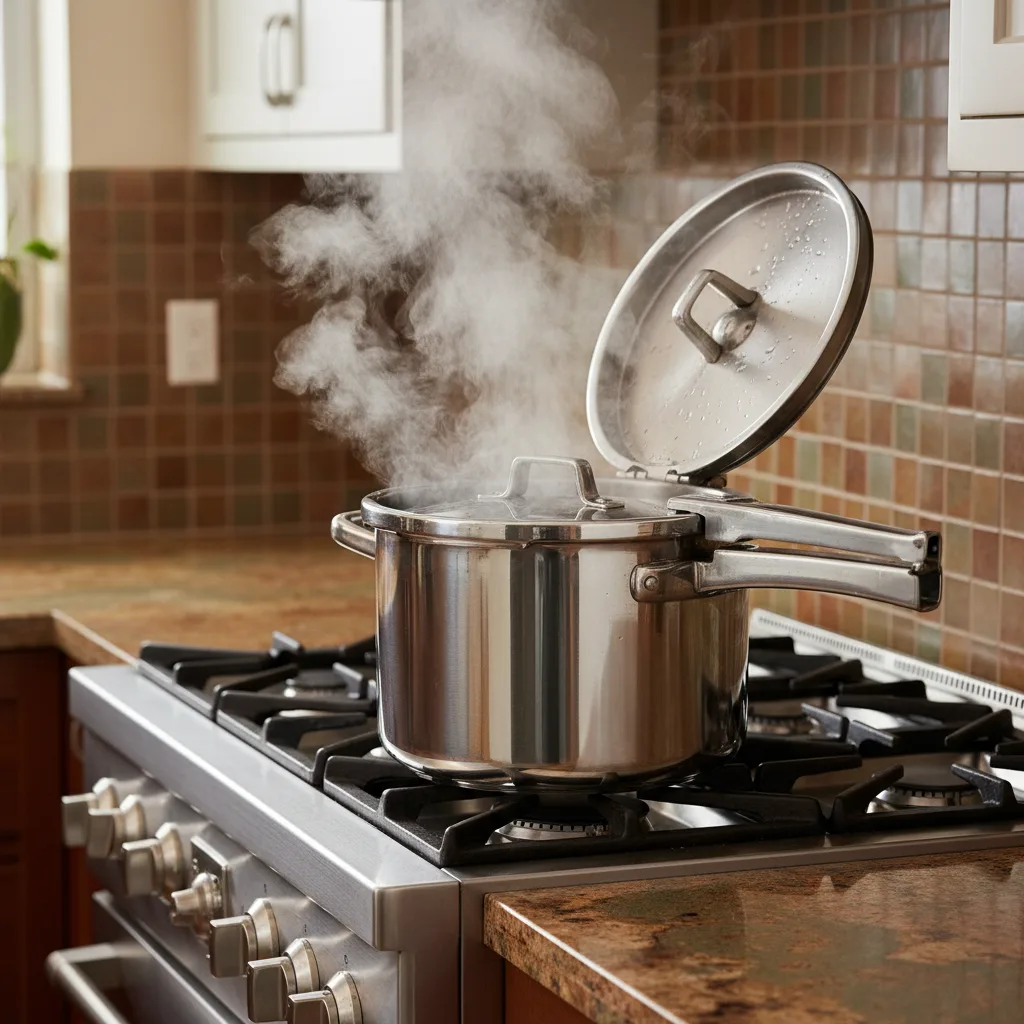
The absolute minimum supply list depends on your chosen method, but for a basic from-scratch grow like PF Tek or bucket tek, you need these essentials:
- A substrate material (brown rice flour and vermiculite for PF Tek, or straw for bucket tek)
- Mushroom spawn or a spore syringe
- Containers (mason jars or a five-gallon bucket)
- A large pot for sterilization or pasteurization
- A plastic storage tote for your fruiting chamber
- A spray bottle for misting
- Rubbing alcohol for sanitizing
- Micropore tape for gas exchange
- A thermometer to monitor temperature
If you choose a grow kit instead, your supply list shrinks to just the kit itself and a spray bottle.
Beyond the essentials, a few inexpensive additions make a big difference: disposable gloves, a still air box made from a clear plastic tote, a hygrometer to monitor humidity, and perlite for the bottom of your fruiting chamber. The total investment for a basic setup runs fifty to eighty dollars if you are buying everything new, less if you can repurpose containers and pots from your kitchen. Start with the basics, learn the process, and add specialized equipment only as your skills and ambitions grow.
Not necessarily, but it depends on your method. A pressure cooker is essential for sterilizing grain spawn and nutrient-rich substrates that are highly prone to contamination. If you plan to make your own grain jars, agar plates, or work with supplemented sawdust blocks, a pressure cooker capable of reaching 15 PSI is a must-have.
However, several beginner-friendly methods skip the pressure cooker entirely:
- PF Tek — uses a steam bath (just a large pot with a lid and boiling water)
- Bucket tek — uses hot water pasteurization (only requires a large pot and thermometer)
- Uncle Ben's tek — uses pre-sterilized commercial rice bags
- Grow kits — arrive already colonized, needing no sterilization at all
If you want to progress beyond beginner techniques, a twenty-three-quart Presto pressure canner is the most popular choice among home mushroom growers. It fits about seven quart jars or twelve pint jars and costs around sixty to eighty dollars. It is a one-time purchase that lasts for years and opens up the full range of growing techniques.
A still air box (SAB) is a simple enclosed workspace used to perform clean transfers and inoculations without contamination. It is literally a large clear plastic storage tote with two arm-sized holes cut in one side. You place your supplies inside, close the lid, reach in through the holes, and work in the still, enclosed air.
The concept is straightforward: mold spores and bacteria are everywhere in ambient air. Moving air carries these particles around, so a still, enclosed space dramatically reduces the chance of contamination settling on your work. A SAB is not sterile — it just provides calm, undisturbed air where gravity pulls particles downward.
To use a SAB effectively:
- Wipe the inside with isopropyl alcohol before each session
- Mist the interior lightly with water to knock down floating particles
- Work slowly and deliberately
- Avoid pulling your arms in and out repeatedly
A SAB costs practically nothing to make and is one of the single most effective tools for reducing contamination. It is strongly recommended for any technique that involves open transfers, from inoculating jars with a syringe to transferring grain spawn into bulk substrate.
A flow hood blows HEPA-filtered air across your workspace in a smooth, unidirectional stream, creating a near-sterile zone for delicate tasks like transferring cultures on agar, inoculating grain jars, or cloning mushroom tissue. Professional mushroom labs and commercial farms consider flow hoods essential.
However, beginners do not need one. A flow hood is one of the most expensive pieces of equipment in mushroom cultivation:
- Commercially built units cost three hundred to over a thousand dollars
- DIY builds using a HEPA filter and a fan run one hundred to three hundred dollars
For a hobbyist learning the basics, a still air box provides adequate contamination protection for inoculations and simple transfers at a fraction of the cost. You can successfully grow mushrooms for months or even years using only a SAB.
A flow hood becomes worth considering when you start doing advanced work like agar transfers, making liquid cultures, or running a large number of grain jars where a single contamination event wastes significant time and materials. Until then, invest your money in spawn, substrate, and growing experience rather than a flow hood.
The best container depends on your method, and most options are inexpensive and widely available.
Common containers by technique:
- PF Tek — half-pint or pint-sized wide-mouth mason jars (cheap, reusable, heat-resistant)
- Monotub tek — sixty-six-quart clear plastic storage tote (clear walls let you monitor colonization without opening the lid)
- Bucket tek — standard five-gallon food-grade plastic bucket with a snap-on lid
- Spawn production — quart-sized mason jars with modified lids (self-healing injection port and filter patch for gas exchange)
- Sawdust blocks — unicorn bags or other autoclavable grow bags with filter patches
Some growers repurpose household items: laundry baskets lined with plastic bags for straw grows, old coolers as insulated fruiting chambers, and even cardboard boxes for oyster mushrooms.
The key qualities to look for are: the container should be easy to clean, allow for some gas exchange, hold moisture without leaking, and be sized appropriately for your substrate volume.
Buying from a reputable supplier is one of the most important decisions you will make as a beginner. Mushroom spawn is widely available from online specialty suppliers.
Well-established U.S. suppliers:
- North Spore — popular and beginner-friendly
- Fungi Perfecti — founded by mycologist Paul Stamets
- Field and Forest Products — strong reputation for quality
- Mushroom Media Online — reliable and well-reviewed
Many smaller artisan suppliers also sell on Etsy and through their own websites.
When choosing a supplier, look for clearly labeled species and strain information, spawn that ships quickly (mycelium is alive and does not like sitting in hot delivery trucks), and positive reviews from other growers. Grain spawn is the most versatile type — it works with nearly every method from monotubs to buckets to logs. Sawdust spawn and plug spawn are better suited for log cultivation.
For your first grow, pre-made grain spawn is the easiest and most reliable option. Order spawn when you are ready to use it — do not stockpile it, because viability decreases over time, even in the refrigerator.
Substrate materials are inexpensive and widely available — you may already have some at home. The beauty of mushroom growing is that many substrates are either free or extremely cheap, which keeps the hobby accessible even on a tight budget.
Common substrates and where to find them:
- Straw — farm supply or feed stores, a few dollars per bale (enough for many grows)
- Hardwood fuel pellets — hardware stores and pellet stove dealers, about five to eight dollars per forty-pound bag
- Coconut coir — garden centers, pet stores (sold as reptile bedding), and online
- Vermiculite — gardening section of most hardware stores
- Brown rice flour — any grocery store
- Coffee grounds — collected for free from local coffee shops
- Wood chips — free from local arborists through services like Chip Drop
For more specialized substrates like supplemented sawdust blocks or pre-mixed master's mix (a fifty-fifty blend of hardwood sawdust and soy hull pellets), online mushroom supply companies sell bags ready to hydrate and sterilize.
Your ongoing costs stay low because most substrate materials cost just a few dollars per grow.
Micropore tape is a medical-grade paper tape made by 3M that is used extensively in mushroom cultivation for gas exchange. It has microscopic pores that allow air and moisture vapor to pass through while blocking most airborne contaminants like mold spores and bacteria.
In mushroom growing, you apply micropore tape over holes in jar lids, injection ports, and grain bags to let the mycelium breathe without exposing the sterile interior to contamination. Without micropore tape or another filter, you would have to choose between sealing your containers completely (which suffocates the mycelium) or leaving them open (which invites contamination).
Application tips:
- Use one or two layers over each gas exchange hole
- More layers restrict airflow more, which some growers prefer during early colonization to keep CO2 levels slightly elevated
- Also useful for covering inoculation holes after injecting a spore syringe
You can find it in the first aid aisle of any pharmacy or grocery store for a few dollars per roll, and a single roll lasts through many grows. It is one of the cheapest and most essential supplies in any mushroom grower's toolkit.
Filter patch bags (often called unicorn bags or mushroom grow bags) are specially designed plastic bags with a built-in filter patch that allows gas exchange while keeping contaminants out. The bag is made from polypropylene that can withstand autoclave temperatures without melting. The filter patch is rated at 0.2 or 0.5 microns — fine enough to block mold spores and bacteria.
The basic workflow:
- Fill the bag with your substrate mix
- Fold and seal the top
- Sterilize in a pressure cooker
- Inoculate through the filter patch or a small resealed opening
- The mycelium colonizes inside the sealed bag, protected from contamination the entire time
- For fruiting, cut an X in the bag and fruit through the opening, or remove the block and place it in a fruiting chamber
Filter patch bags are particularly useful when growing species that benefit from supplemented substrates, like shiitake on enriched sawdust, because supplemented substrates are highly contamination-prone and need the protection of a sealed, filtered environment.
They typically cost around twenty to forty cents each when bought in bulk online, making them an affordable tool for consistent, contamination-free grows.
Most beginners do not need an automated humidity controller, but understanding humidity is important. Mushrooms require 85 to 95 percent relative humidity during fruiting to develop properly. If humidity drops too low, pins can abort, caps can crack, and yields drop significantly.
For small-scale setups like a shotgun fruiting chamber or a single monotub, manual misting with a spray bottle two to four times per day is usually sufficient. A simple hygrometer costing five to ten dollars will tell you whether your humidity levels are in the right range.
As you scale up, an automated setup becomes genuinely helpful:
- An ultrasonic humidifier connected to a humidity controller (humidistat)
- Inkbird and similar brands make affordable plug-in controllers for around thirty to forty dollars
- Plug the humidifier into the controller, set your target humidity, and place the sensor probe inside your fruiting chamber
This frees you from constant misting and keeps conditions stable even when you are away from home. Martha tek setups — a plastic shelving unit wrapped in a clear plastic tent — commonly use this type of automated humidity control for consistent, hands-off fruiting.
Temperature and humidity are the two environmental factors that most directly affect your success, making a thermometer and hygrometer among the most important monitoring tools for mushroom growing.
During colonization:
- Maintain 70 to 80 degrees Fahrenheit for most species to ensure vigorous mycelium growth
- Too cold slows growth and gives competitors time to take hold
- Too warm can kill the mycelium or promote bacterial contamination
During fruiting:
- Temperature should be five to ten degrees cooler than colonization temps
- Humidity needs to stay above 85 percent
- Without monitoring, you are guessing at these conditions and may struggle to diagnose problems
A basic digital thermometer and hygrometer combo unit costs five to fifteen dollars and can sit right inside your fruiting chamber. Many growers use wireless models with an external probe so they can check conditions without opening the chamber.
Recording your temperature and humidity readings along with your observations helps you correlate conditions with outcomes and improve your technique over time. These inexpensive tools turn mushroom growing from guesswork into a repeatable, improvable process.
Setting up a mushroom growing area is simpler than most beginners expect. You need two zones: a colonization area and a fruiting area.
Colonization area requirements:
- Warm (around 70 to 80 degrees Fahrenheit)
- Dark or dimly lit
- Relatively undisturbed
- A closet shelf, cabinet, or high shelf in a warm room works well
Fruiting area requirements:
- Cooler temperatures (60 to 70 degrees for most species)
- High humidity (85 to 95 percent)
- Fresh air exchange
- Some indirect light
- A bathroom, basement corner, or dedicated shelving unit works well
Keep the fruiting area away from direct sunlight, heating vents, and drafty windows, as these cause temperature and humidity swings that stress your mushrooms. Ideally, choose a spot with a floor or surface that can tolerate some moisture — a plastic tray or sheet underneath your setup protects furniture and floors.
Keep your growing area clean and organized — wipe surfaces regularly, remove spent substrates promptly, and watch for signs of mold in the surrounding area. Having your misting bottle, alcohol spray, and monitoring tools within arm's reach makes the daily routine quick and enjoyable.
Need more help? Dr. Myco can answer follow-up questions about essential supplies for beginners based on thousands of real growing experiences.
Ask Dr. Myco