Liquid Culture Troubleshooting
10 tips in Liquid Culture
By Andrew Langevin · Founder, Nature Lion Inc · Contributing author, Mushroomology (Brill, 2026)
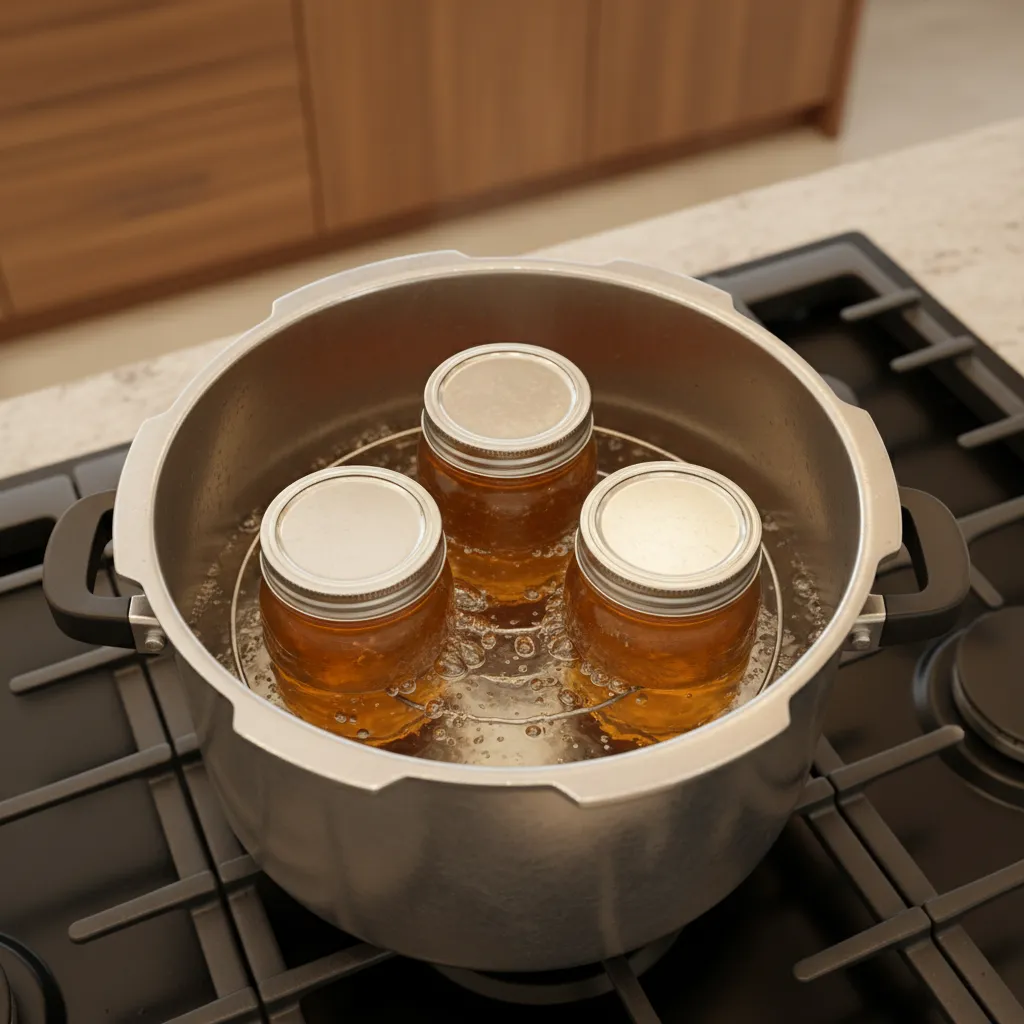
A liquid culture showing no visible growth after 14 days indicates one of several problems, and the most common cause is non-viable inoculum — either dead spores, expired culture, or mycelium that was killed during inoculation. Diagnosing the issue requires checking each variable systematically.
Most likely causes:
- Dead or old inoculant: Spore syringes older than 6-12 months lose viability, especially if stored at room temperature. Agar cultures dried out or stored improperly may contain dead mycelium
- Heat-killed mycelium: If you inoculated the jar before it cooled completely after sterilization, the residual heat (above 40°C / 104°F) killed the living culture on contact
- Contaminated before inoculation: If bacteria colonized the media before your mycelium could establish, they may be consuming nutrients without producing visible turbidity yet. Hold the jar to a light — any haziness suggests bacterial contamination
- Temperature too low: LC stored below 60°F (15°C) grows extremely slowly. Some species show no visible growth for 3-4 weeks at cool temperatures
What to do:
- Check the temperature — move the jar to a consistent 75°F (24°C) location
- Hold the jar to a bright light and look for any faint wisps of growth or cloudiness
- Swirl gently and examine closely — very early growth can be nearly invisible
- If truly nothing after 21 days, discard and start fresh with a confirmed viable culture. Test your inoculant on agar first to verify it is alive before trying LC again
Bacterial contamination is the most common liquid culture problem, and the hallmark sign is cloudiness or haziness in the liquid that is not caused by mycelium. Clean LC has clear liquid between distinct mycelium clumps — bacteria make the entire solution look milky, murky, or turbid.
Visual indicators:
- Uniform cloudiness throughout the liquid rather than distinct mycelium clumps floating in clear solution. Hold the jar against a light source — if you cannot see through the liquid between mycelium pieces, bacteria are likely present
- Slimy film on the surface of the liquid or coating the glass walls at the waterline
- Off-colors — the liquid may turn slightly yellow, pink, gray, or milky white beyond what the sugar source would normally produce
- Tiny bubbles forming at the surface or along the walls, indicating bacterial gas production
Other detection methods:
- Smell test: Crack the lid slightly in front of a flow hood or SAB. Bacterial LC smells sour, putrid, or sharply unpleasant — nothing like the mild, sweet smell of clean LC
- Syringe draw test: Contaminated LC often feels slimy or viscous when drawn through a needle, and may leave a filmy residue inside the syringe barrel
- Agar confirmation: The definitive test. Drop 1-2 drops on agar plates and incubate for 3-5 days. Bacterial colonies appear as shiny, slimy, wet-looking spots — often visible within 24-48 hours
If bacteria are confirmed, discard the entire jar. Do not attempt to salvage it. Sterilize the jar and lid thoroughly before reuse.
In most cases, no — and attempting to salvage contaminated LC is not worth the risk. The sugar-water environment that feeds mycelium feeds bacteria and yeast equally well, and contaminants multiply exponentially in liquid media. What looks like slight contamination today becomes overwhelming contamination tomorrow.
Why salvage attempts usually fail:
- Bacteria reproduce far faster than mycelium in liquid media. Even a small bacterial population can overwhelm the culture within 24-48 hours
- You cannot selectively remove bacteria from a liquid suspension the way you can transfer away from contamination on an agar plate
- Using contaminated LC on grain introduces bacteria to every jar you inoculate, potentially ruining your entire production run
The one scenario where partial recovery is possible:
- If your LC was made from a confirmed clean agar culture, you can transfer mycelium pieces from the LC back onto fresh agar plates and attempt to outrun the contamination through selective transfers
- Using a sterile loop or needle, fish out the densest, whitest mycelium clumps and place them on antibiotic agar (agar supplemented with gentamicin)
- Transfer the leading edge of clean growth 2-3 times to fresh plates
- Only after confirming clean growth on agar should you start a new LC jar
The better approach is prevention. Improve your sterile technique, always test LC on agar before use, and maintain agar backup cultures so you never depend on a single LC jar. Starting a new LC from clean agar takes only 7-14 days — far less time than chasing contamination.
A beer-like or bread-like smell from your liquid culture is a strong indicator of yeast contamination. Wild yeast species are ubiquitous in the environment and thrive in the same sugar-water conditions that support mycelium growth. This is one of the easier contamination types to detect because the smell is distinctive and usually noticeable before visual signs appear.
How yeast gets into LC:
- Inadequate sterilization — pressure cooking at less than 15 PSI or for insufficient time leaves yeast spores alive in the media
- Non-sterile inoculant — spore syringes frequently carry yeast, especially if they were made outside of a flow hood
- Poor technique during inoculation — yeast spores from skin, breath, or airborne sources enter through the injection port or opened lid
- Compromised filter patches — wet or damaged filter discs on LC lids allow airborne yeast to enter
Confirming yeast contamination:
- Smell: Distinctly yeasty, bread-like, or beer-like — not sour (which suggests bacteria)
- Visual: Slight cloudiness, a thin surface film, or tiny round colonies visible on agar when tested. Yeast colonies on agar are typically small, round, glossy, and cream-colored
- Agar test: Drop 1-2 drops on agar and incubate. Yeast colonies appear within 24-72 hours as distinct round dots separate from any mycelium growth
Discard yeast-contaminated LC entirely. Yeast cannot be separated from mycelium in liquid suspension. Start fresh with properly sterilized media and a confirmed clean inoculant. If yeast contamination recurs, examine your sterilization process — ensure your pressure cooker is reaching a full 15 PSI for 20 minutes.
A thick, slimy, or gel-like liquid culture can result from either bacterial contamination or an overgrown culture where the mycelium has consumed all nutrients and begun breaking down. The fix depends entirely on identifying which problem you have.
Bacterial slime (contamination):
- The liquid feels viscous or stringy when drawn into a syringe
- A slimy biofilm coats the glass walls, especially at the waterline
- The solution may smell sour or unpleasant
- The liquid appears uniformly cloudy rather than having distinct mycelium clumps in clear solution
- Solution: Discard the jar completely. Bacterial biofilms cannot be cleaned from LC — start fresh
Overgrown mycelium (age-related):
- The jar is packed solid with dense mycelium occupying 60%+ of the volume
- The liquid has thickened because mycelium fragments and metabolic byproducts have accumulated
- The mycelium may appear yellowish or translucent rather than bright white
- Syringe draws clog constantly even with 16-gauge needles
- Solution: If agar tests confirm the culture is clean, try breaking it up by swirling vigorously with a marble or stir bar for several minutes. If that does not loosen it, blend briefly with a sterile immersion blender. Then transfer 3-5cc to a fresh LC jar to start over with a clean, dilute culture
Prevention: Use your LC within 2-4 weeks of full colonization. Swirl jars regularly during growth to prevent dense mat formation. If you need to store LC longer, refrigerate at 35-40°F to slow growth.
Yellow discoloration in liquid culture has several possible causes, and the meaning depends heavily on the shade, timing, and whether mycelium is still growing normally. Some yellowing is harmless, while other types indicate contamination or culture decline.
Harmless causes of yellowing:
- Honey-based media naturally has an amber tint that can deepen slightly during sterilization. This is normal and does not indicate any problem
- Metabolic byproducts from healthy mycelium can tint the solution slightly yellow or amber over time, especially in older cultures (4+ weeks). If mycelium is still white and vigorous, this is typically benign
- Light malt extract caramelizes slightly during pressure cooking, creating a golden color from the start
Concerning causes of yellowing:
- Bacterial contamination can turn the liquid yellow-green, milky yellow, or brownish. If the yellowing is accompanied by cloudiness, off-smell, or slimy texture, bacteria are the likely cause
- Yeast contamination sometimes produces a pale yellow tint along with a bread-like or beer-like smell
- Culture senescence — old, dying mycelium releases yellow pigments as cells break down. The mycelium itself may look translucent, glassy, or brownish rather than bright white
How to determine the cause:
- Test on agar. This is the only definitive answer. If agar plates show clean mycelium growth with no bacterial or yeast colonies after 7 days, the yellowing is harmless
- Check the smell. Sour, yeasty, or unpleasant odors confirm contamination. A mild, mushroomy, or neutral smell suggests the color is benign
- Assess mycelium health. If mycelium clumps are still bright white, dense, and swirl freely, the culture is likely fine despite the color change
Testing LC on agar before committing to grain inoculation is the single most important quality control step in mushroom cultivation. A contaminated LC jar can destroy 10-20 grain jars in one session, wasting weeks of work and pounds of grain. The test takes 5-7 days but saves enormous time and resources.
The agar drop test procedure:
- Prepare 3-5 agar plates using malt extract agar (MEA) or potato dextrose agar (PDA)
- Shake your LC jar vigorously to distribute mycelium evenly
- Draw a small amount into a sterile syringe with an 18-gauge needle
- Place 1-2 drops on each plate, spacing drops apart if placing multiple on one plate
- Seal plates with parafilm and incubate at 75°F (24°C)
- Check daily and evaluate at day 5-7
Reading your results:
- Clean: Only white mycelium radiates outward from drop points. No other growth anywhere on any plate after 7 days
- Bacterial contamination: Shiny, wet, slimy colonies appear within 24-48 hours, often before mycelium is even visible
- Yeast: Small, round, glossy cream-colored dots appear within 48-72 hours
- Mold: Fuzzy colored growth (green, black, orange) appears within 3-5 days
Test every batch, every generation, and any LC stored longer than 30 days. Use multiple plates for confidence — one clean plate could be luck, but five clean plates means your LC is reliable. The cost of a few agar plates is negligible compared to the cost of contaminated grain jars.
Yes, you can reuse the glass jar itself after thorough cleaning and sterilization, but you should replace the lid components. The jar is just glass — it can be completely sterilized. The lid, injection port, and filter patch are more concerning because bacterial biofilms can persist in silicone ports and contaminated filter material.
Cleaning procedure for the jar:
- Empty the contaminated LC and rinse the jar thoroughly with hot water
- Scrub the interior with a bottle brush and dish soap, paying special attention to the threads at the top where residue accumulates
- Soak in a 10% bleach solution (1 part bleach to 9 parts water) for 30 minutes to kill any remaining organisms
- Rinse thoroughly with hot water to remove all bleach residue
- The jar is now ready for your next batch — it will be fully sterilized again during pressure cooking
Lid component handling:
- Replace the filter patch entirely — contaminated filter material cannot be reliably sterilized and may harbor spores in the fibers
- Inspect the injection port — if it is a silicone self-healing port, scrub it with soap, soak in alcohol, and inspect for any visible biofilm or discoloration. Replace if you have any doubt
- The metal lid disc can be cleaned, soaked in bleach solution, and reused. Check for rust or corrosion, which creates contamination entry points
The underlying principle is simple: Glass and metal can be sterilized reliably through pressure cooking. Porous materials (filters, old silicone) should be replaced. When in doubt, replace — lid components are cheap compared to losing another batch.
Sediment at the bottom of a liquid culture jar is common and usually not a cause for alarm, but the type of sediment matters. Learning to distinguish normal sediment from signs of contamination or culture decline helps you make good decisions about whether to use or discard the LC.
Normal types of sediment:
- Mycelium fragments: Small white pieces that settle when the jar is undisturbed. These swirl back into suspension when you shake the jar — this is perfectly normal and expected. Healthy mycelium naturally breaks into pieces, especially if you have a marble or stir bar in the jar
- Agar remnants: If you inoculated from an agar wedge, small pieces of the agar medium may sink to the bottom. These are harmless and will gradually dissolve or be consumed
- Caramelized sugars: Honey and malt extract can form small particles during sterilization that settle out. These appear as tiny brown or amber specks and are harmless
Concerning types of sediment:
- Fine, flour-like sediment that does not swirl into suspension may indicate dead mycelium that has broken down — a sign the culture is past its prime
- Colored sediment (green, black, or orange particles) suggests mold contamination that has died or settled
- Thick, slimy sediment that clings to the bottom indicates bacterial biofilm formation
The test: Swirl the jar vigorously. Normal mycelium sediment resuspends easily and forms distinct white clouds. Dead or contaminated sediment tends to stay clumped at the bottom or creates uniform cloudiness. If in doubt, test on agar — 5-7 days on agar plates will reveal whether the culture is clean and viable.
Most experienced growers limit LC expansion to 3-4 generations (G1 through G3 or G4) before returning to a master agar culture. Beyond this point, the risk of accumulated contamination, genetic drift, and vigor loss increases with each transfer.
Generation tracking explained:
- G0: Your original agar culture (the master)
- G1: First LC jar made directly from agar — this is your strongest, cleanest liquid culture
- G2: LC made from G1 LC — still very reliable
- G3: LC made from G2 LC — acceptable for most growers
- G4: LC made from G3 LC — the practical limit for most operations
- G5+: Not recommended — cumulative risks become significant
Why cultures weaken over generations:
- Contamination accumulation: Each transfer is an opportunity to introduce trace bacteria or yeast that may not show up on agar tests immediately but accumulate over generations
- Genetic drift: While LC is clonal, mutations can occur during rapid growth. Over many generations, these can reduce fruiting performance
- Selection pressure: In liquid media, mycelium that grows fastest in liquid is selected for — but fast liquid growth does not always correlate with strong fruiting performance
- Nutrient carryover: Each generation carries over metabolic waste products from the previous culture
Best practices for long-term culture management:
- Maintain a master agar library — keep slants or plates of every strain at 38°F, transferring to fresh agar every 6-12 months
- Label every LC jar with species, date, and generation number
- Start fresh from agar whenever you notice slower colonization, thinner mycelium, or reduced yields
- Never expand from a jar you have not tested on agar — one contaminated transfer can cascade through all downstream generations
Need more help? Dr. Myco can answer follow-up questions about liquid culture troubleshooting based on thousands of real growing experiences.
Ask Dr. Myco