Agar Recipes & Pouring
11 tips in Agar Work & Culture
By Andrew Langevin · Founder, Nature Lion Inc · Contributing author, Mushroomology (Brill, 2026)
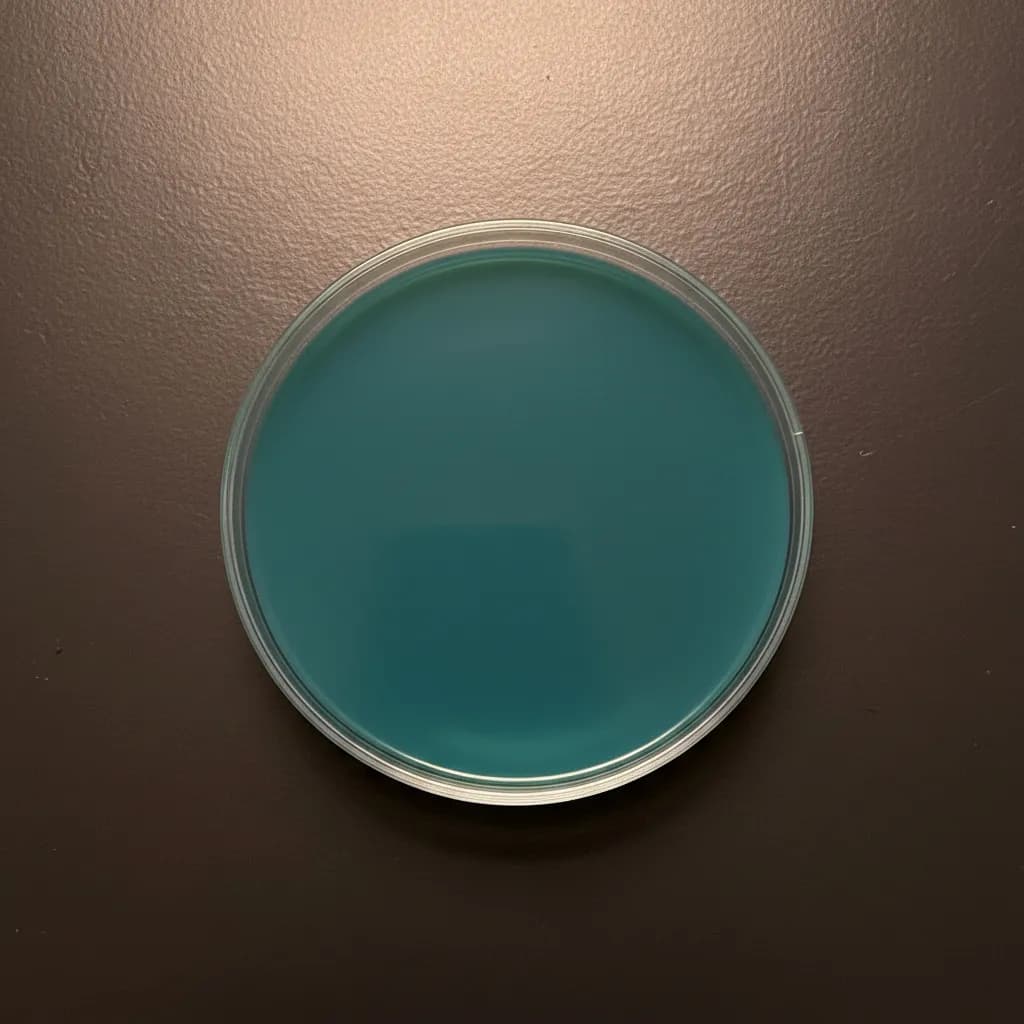
The standard light malt extract (LME) agar recipe: 500ml water + 10g light malt extract + 10g agar powder (a 2% concentration for both components). Mix in a flask or glass bottle, cover loosely with foil, and sterilize at 15 PSI for 20-30 minutes.
After sterilization, let the media cool to approximately 55°C (cool enough to hold the container comfortably but still liquid), then pour into petri dishes in front of your flow hood or inside your SAB.
Pouring details:
- Each 500ml batch yields approximately 20 standard 90mm plates
- Pour about 20-25ml per plate
- Fill until the agar covers the bottom of the dish to a depth of about 3-4mm
PDA is the standard laboratory agar media used in professional mycology. PDA provides a richer nutrient profile than LME agar and is preferred for isolating slow-growing species.
Recipe from scratch:
- Boil 200g of diced potatoes in 1 liter of water for 20 minutes
- Strain out the potato pieces
- Add 20g dextrose (glucose) and 20g agar powder to the potato broth
- Bring back to a simmer while stirring until the agar dissolves
- Sterilize at 15 PSI for 20 minutes
Alternatively, buy pre-mixed PDA powder — just add water according to the package instructions. For most home cultivators, LME agar is simpler and works just as well for common gourmet species.
Mix your agar recipe in a heat-resistant glass bottle or Erlenmeyer flask. Cover the opening loosely with aluminum foil — not tight, as pressure needs to equalize during sterilization. Place in your pressure cooker on a trivet or rack (not directly on the bottom).
Sterilize at 15 PSI for 20-30 minutes. Longer won't hurt but may caramelize the sugars slightly, turning the media yellow-brown (still functional).
After the pressure drops naturally, remove the bottle carefully — it's very hot. Let it cool to about 55°C before pouring. If you sterilize in batches, you can keep the bottle in a warm water bath around 55-60°C to prevent premature solidification while you pour plates.
Pour agar at approximately 55°C (131°F). At this temperature, the agar is still liquid enough to flow smoothly but cool enough that it won't create excessive condensation on the plate lids.
A practical test: if you can hold the container in your bare hand without it being painfully hot, it's around the right temperature.
Common problems:
- Too hot (above 60°C) — creates heavy condensation that drips onto your agar surface, promoting bacterial growth
- Too cool (below 50°C) — the agar begins to solidify in the container, becoming clumpy and difficult to pour evenly
If your agar starts to gel, you can remelt it in a microwave or hot water bath — it can be remelted multiple times without losing quality.
Work in front of a laminar flow hood or inside a SAB. Flame the opening of your agar bottle before pouring. Crack open each petri dish lid just enough to pour — never remove the lid completely.
The pouring process:
- Pour quickly and smoothly, filling the dish to about 3-4mm depth (roughly 20-25ml for a 90mm dish)
- Replace the lid immediately
- Stack poured plates upside down (agar on top, lid on bottom) — this prevents condensation from dripping onto the agar surface
- Let plates solidify at room temperature for 30-60 minutes
- Store in a clean, sealed bag or container
Pouring 20 plates should take under 10 minutes once you have a rhythm.
Primo Plates are reusable clear plastic petri dishes with snap-on lids, designed specifically for mycology. Unlike standard disposable petri dishes, Primo Plates can be washed, sterilized, and reused hundreds of times. They're made from polypropylene, which can withstand pressure cooker temperatures.
The prep-pour technique: stack clean Primo Plates, wrap in foil, sterilize in the pressure cooker, then pour agar directly into the sterilized plates inside your SAB or flow hood.
Benefits over disposable plates:
- Cost savings over time (the initial investment pays for itself after 3-4 batches)
- Better seal (snap lids are more secure than standard petri dish friction fits)
- Less plastic waste
Available from specialty mycology suppliers.
Store poured plates upside down (agar on top) in sealed plastic bags or containers in a refrigerator at 2-8°C. The upside-down orientation prevents condensation from collecting on the agar surface.
Storage tips:
- Wrap stacks of 5-10 plates in parafilm or place them inside gallon ziplock bags
- Stored this way, poured plates remain viable for 2-4 weeks
- If you notice excessive condensation forming, your refrigerator may be too cold or have poor humidity control
- Never freeze poured plates — the agar will crack and become unusable
Label each batch with the recipe type and pour date using a marker on the plate edge.
Properly stored poured agar plates last 2-4 weeks in the refrigerator. After about 3 weeks, the agar begins to dry out from the edges, shrinking away from the dish walls, which compromises sterility.
Signs a plate is past its prime:
- Visible drying or cracking around the edges
- The agar has pulled away from the dish wall
- Any contamination growing despite no inoculation
For longer storage, wrap individual plates tightly with parafilm (stretchy wax film) around the entire seam between lid and base. Parafilm-wrapped plates can last 6-8 weeks refrigerated. Some growers pour in smaller batches more frequently rather than storing large quantities.
Contaminated agar plates show growth patterns distinct from mycelium. Bacterial contamination appears as wet, shiny, mucoid streaks or colonies — often white, yellow, or orange — that spread across the surface in irregular patterns. Mold contamination (Trichoderma, Penicillium, Aspergillus) starts as a small spot that rapidly expands into a colored circle with a powdery or fuzzy texture.
Key differences from mycelium:
- Contaminants often grow faster than mycelium
- They appear as distinct spots rather than radiating from the inoculation point
- They have colors other than white (green, blue-green, black, orange, yellow)
If contamination appears on an inoculated plate, you can often rescue the culture by cutting a small piece of clean mycelium from the leading edge and transferring it to a fresh plate.
No-pour agar is a technique where you prepare and sterilize agar media directly inside small containers (like 4oz mason jars, condiment cups, or small deli cups) rather than pouring from a bottle into petri dishes. Add your agar recipe to each container, cover with foil, and pressure cook everything together. After sterilization, the agar solidifies in place — no pouring step needed.
Advantages:
- Eliminates the contamination-prone pouring step entirely
- Containers have tighter seals than petri dishes
- Small jars are cheaper than disposable plates
Disadvantages:
- Harder to see the culture clearly through jar walls
- Transfers are more awkward
- You can't get the lid off as easily as a petri dish
Best for beginners or growers without a flow hood who want to minimize contamination risk during plate preparation.
Antibiotics like gentamicin sulfate are added to agar to suppress bacterial contamination while allowing mycelium to grow. The standard addition is 200-500 mg/L of gentamicin, added to the agar media after it cools to approximately 55°C (heat destroys the antibiotic). Never add antibiotics to media above 60°C.
Use antibiotic agar when:
- You're working with tissue clones from wild or store-bought mushrooms (which carry surface bacteria)
- You're germinating spores that may carry bacterial passengers
- You're trying to rescue a culture with bacterial but not fungal contamination
Antibiotic agar is a tool, not a substitute for sterile technique — if your clean plates are consistently getting bacterial contamination, fix your technique rather than relying on antibiotics.
Need more help? Dr. Myco can answer follow-up questions about agar recipes & pouring based on thousands of real growing experiences.
Ask Dr. Myco