Best Substrate for Each Species
12 tips in Substrate Preparation
By Andrew Langevin · Founder, Nature Lion Inc · Contributing author, Mushroomology (Brill, 2026)
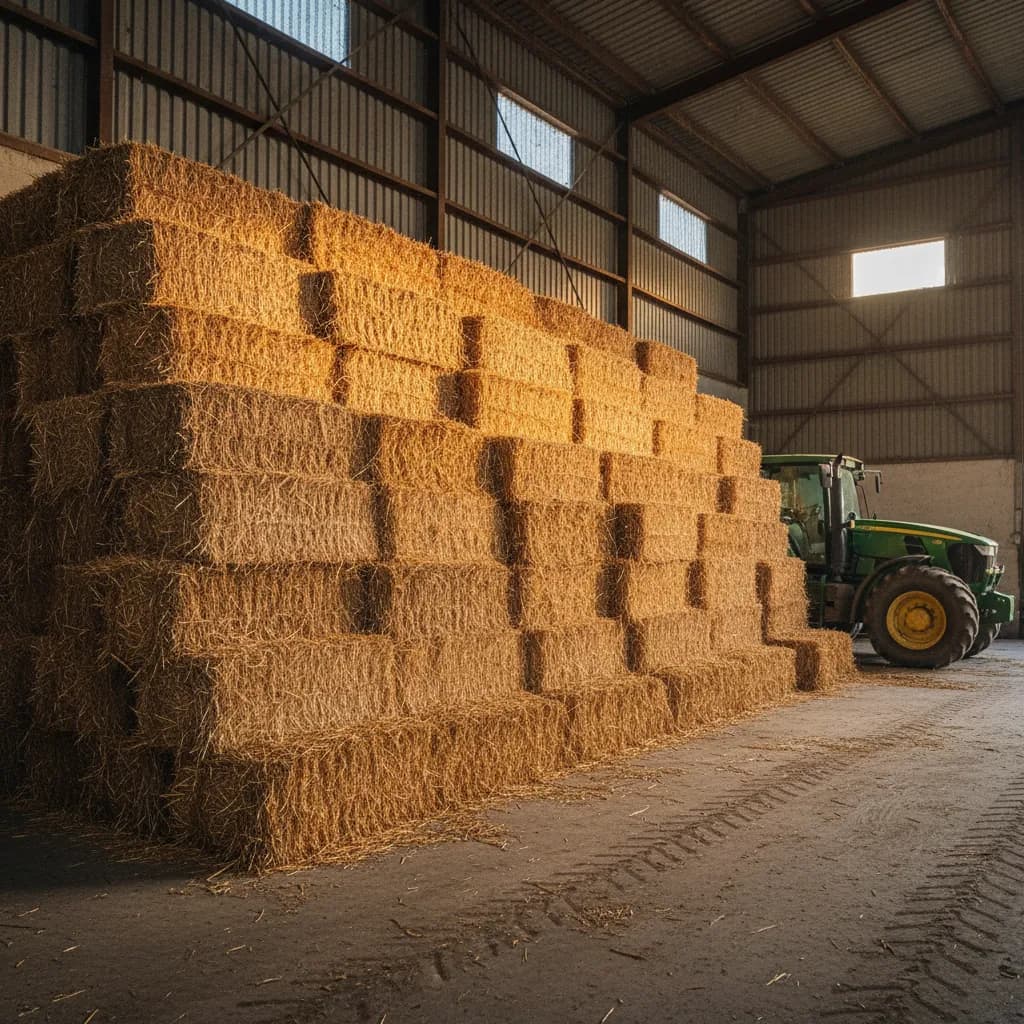
Oyster mushrooms are the most flexible species when it comes to substrate, which is one reason they are so popular with beginners and commercial growers alike. They produce aggressive mycelium that can colonize and fruit on a wide range of materials.
Top substrate choices for oyster mushrooms:
- Pasteurized straw — the classic choice for oyster mushrooms. Wheat straw chopped to two to four inch lengths and pasteurized by hot water bath produces excellent yields with minimal equipment
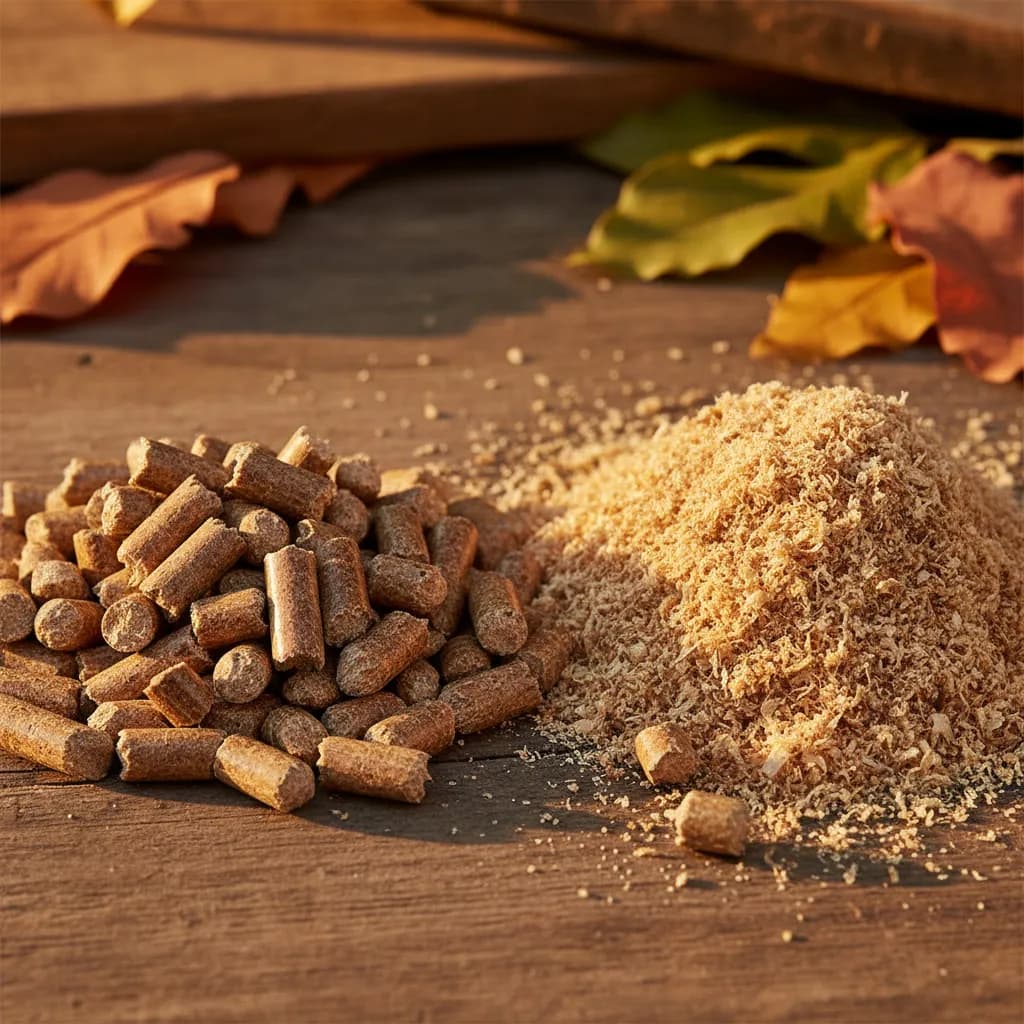
- Hardwood fuel pellets (HWFP) — soak pellets in boiling water to hydrate and pasteurize simultaneously. Fast, clean, and consistent
- Supplemented hardwood sawdust (Masters Mix) — 50/50 hardwood pellets and soy hull pellets, sterilized. Produces the highest yields but requires a pressure cooker
- Coffee grounds — can be mixed at up to 20 to 30 percent with another base substrate. Do not use coffee grounds alone as contamination risk is very high
Oyster mushrooms also fruit successfully on cardboard, paper, cotton waste, and even old books. For beginners, pasteurized straw in a five-gallon bucket is the easiest and most forgiving method. For commercial production, Masters Mix in autoclavable bags delivers the highest and most consistent yields per block.
Lion's mane performs best on supplemented hardwood sawdust, and unlike oyster mushrooms, it does not do well on straw or low-nutrient substrates. This species needs more nutrition to produce its dense, meaty fruiting bodies.
Recommended substrates for lion's mane:
- Masters Mix (50/50 hardwood pellets and soy hull pellets) — the gold standard for lion's mane production. Must be sterilized at 15 PSI for two and a half hours. Biological efficiency routinely exceeds 80 percent
- Supplemented hardwood sawdust — hardwood sawdust with 10 to 20 percent wheat bran added. Slightly lower yields than Masters Mix but still excellent
- Hardwood logs — lion's mane grows beautifully on oak, maple, and beech logs inoculated with plug spawn. Slower than bag culture but produces flushes for several years
Substrates to avoid for lion's mane:
- Plain straw — too low in nutrition. Lion's mane may colonize slowly but will produce small, wispy fruiting bodies
- Coco coir blends — insufficient nutrition for this species
Lion's mane also benefits from top-fruiting through a small opening in the bag rather than the slit-and-fruit method used for oysters. The substrate recipe and fruiting method work together to produce the large, shaggy pom-pom shapes that make this species so distinctive.
Shiitake mushrooms are wood-loving fungi that perform best on hardwood — either as sawdust blocks for indoor production or as logs for outdoor growing. Shiitake have co-evolved with hardwood trees and their enzymes are specifically adapted to break down hardwood lignin.
Best substrate options for shiitake:
- Supplemented hardwood sawdust blocks — hardwood sawdust or pellets with 10 to 20 percent wheat bran, sterilized in grow bags. This is the standard commercial method and produces the fastest harvests, typically eight to twelve weeks from inoculation
- Hardwood logs — oak, maple, sweet gum, and ironwood are ideal. Inoculate with plug spawn in early spring. Logs take six to twelve months to begin fruiting but produce for three to six years with minimal maintenance
- Masters Mix — works for shiitake but is not necessary. The soy hull supplementation does not benefit shiitake as dramatically as it does lion's mane
Key considerations for shiitake substrate:
- Avoid softwood entirely — shiitake cannot digest conifer lignin effectively
- Log diameter matters — three to six inch diameter logs are ideal. Larger logs take much longer to colonize
- Sawdust block shiitake benefit from a cold shock to trigger pinning — soak blocks in cold water for twelve to twenty-four hours between flushes
For year-round indoor production, supplemented sawdust blocks are the clear winner. For low-effort outdoor growing, hardwood logs are unbeatable.
King oyster mushrooms require supplemented hardwood sawdust and will not produce well on straw, coco coir, or other low-nutrient substrates. This species needs rich nutrition to develop its thick, dense stems — the most prized part of the mushroom.
The only recommended substrate:
- Masters Mix (50/50 hardwood pellets and soy hull pellets) — this is the standard and for good reason. King oysters need the protein-rich soy hull supplementation to produce large, well-formed fruiting bodies. Sterilize at 15 PSI for two and a half hours in autoclavable bags
- Supplemented hardwood sawdust — hardwood sawdust with 15 to 25 percent wheat bran or soy hulls. Higher supplementation rates than used for other species because king oysters are heavy feeders
Why other substrates fail for king oyster:
- Straw — far too low in nutrition. King oysters may colonize but will produce tiny, malformed mushrooms
- Plain hardwood sawdust without supplementation — colonization is slow and yields are poor
- Coco coir mixes — completely unsuitable. King oysters evolved on hardwood and need lignin-based nutrition
King oyster is one of the more demanding gourmet species to grow commercially, but the premium price it commands (often $12 to $18 per pound) and its exceptional shelf life make it worth the extra effort for farms that have mastered their sterilization process.
Reishi grows well on hardwood-based substrates and is one of the more forgiving medicinal species to cultivate. It colonizes aggressively and resists contamination better than many gourmet species, making it a good choice for growers developing their sterile technique.
Top substrate choices for reishi:
- Supplemented hardwood sawdust — hardwood pellets or sawdust with 10 to 15 percent wheat bran, sterilized in bags. This is the standard indoor method and produces antler or conk-shaped fruiting bodies depending on CO2 levels
- Masters Mix — works well but is not strictly necessary since reishi is less demanding than lion's mane or king oyster
- Hardwood logs — reishi colonizes oak, maple, and other hardwood logs readily. Outdoor log culture produces the classic shelf-shaped conks over multiple years
- Hardwood chips and sawdust outdoors — reishi can colonize outdoor beds of hardwood chips mixed with spawn, producing seasonal flushes
Reishi substrate tips:
- Higher spawn rates accelerate colonization — use a 15 to 20 percent spawn rate for faster results
- Fruiting form depends on air exchange — high CO2 produces antler shapes, fresh air produces conks with the characteristic shiny lacquered cap
- Reishi blocks take longer to fruit than oyster or lion's mane, typically four to eight weeks of colonization before fruiting begins
Reishi is forgiving on substrate choice but demanding on patience. Plan for a longer production cycle than fast-fruiting gourmet species.
Wine cap mushrooms (Stropharia rugosoannulata) are outdoor specialists that thrive on wood chips, straw, and garden debris — no sterilization or pasteurization required. This makes them the easiest species to grow for anyone with a backyard garden bed.
Best substrates for wine cap mushrooms:
- Hardwood chips — the top choice. Fresh or aged chips from arborists work perfectly. Spread four to six inches deep in a shaded garden bed and mix spawn throughout
- Straw — wheat or oat straw works well as a sole substrate or mixed with wood chips. Straw breaks down faster than chips, so beds need replenishing sooner
- Mixed wood chips and straw — a 50/50 blend combines the fast colonization of straw with the longer-lasting nutrition of wood chips
- Garden waste — wine caps can colonize leaf litter, corn stalks, and other garden debris mixed with chips or straw
Wine cap growing tips:
- Outdoor beds only — wine caps do not fruit well indoors. They need natural temperature fluctuations and soil contact
- Shade is essential — direct sun dries out the bed too quickly. Under trees or along a north-facing fence is ideal
- Water like a garden — keep the bed moist but not soggy, especially during dry spells
- Beds are self-sustaining — add fresh wood chips annually and the mycelium continues spreading and producing flushes for years
Wine caps are the perfect gateway species for gardeners who want to grow mushrooms without investing in any indoor equipment.
Turkey tail (Trametes versicolor) is a highly adaptable wood-decay fungus that grows on almost any hardwood substrate. It is one of the easiest medicinal mushrooms to cultivate and tolerates a wider range of growing conditions than most gourmet species.
Recommended substrates for turkey tail:
- Hardwood logs and stumps — the most natural method. Turkey tail colonizes oak, beech, birch, and maple logs readily. Drill holes, insert plug spawn, and seal with wax. Logs produce for two to four years
- Supplemented hardwood sawdust — standard sawdust block method with 10 percent wheat bran works well for indoor production. Turkey tail grows in thin, shelf-like layers so yields by weight are lower than fleshy species
- Hardwood chips outdoors — similar to wine cap beds but turkey tail is slower to colonize and prefers partially shaded, humid locations
Unique characteristics of turkey tail cultivation:
- Turkey tail can grow on some softwoods — unlike most cultivated species, it can colonize aged pine, spruce, and fir, though hardwood produces better results
- Thin fruiting bodies — turkey tail produces flat, fan-shaped brackets rather than fleshy mushrooms, so yields by weight are modest
- Primarily grown for medicinal use — most cultivators dry and powder the fruiting bodies for teas and extracts rather than eating them fresh
For medicinal use, supplemented sawdust blocks in bags produce the most consistent and harvestable results in the shortest time.
Chestnut mushrooms (Pholiota adiposa) perform best on supplemented hardwood sawdust, similar to shiitake and lion's mane. They are a fast-colonizing species that produces beautiful clusters of caramel-brown caps with excellent culinary appeal.
Best substrate options for chestnut mushrooms:
- Supplemented hardwood sawdust — hardwood pellets or sawdust with 10 to 15 percent wheat bran, sterilized in bags. This is the most reliable method and produces dense clusters
- Masters Mix — works very well for chestnut mushrooms and may increase yields over plain supplemented sawdust
- Straw — chestnut mushrooms can fruit on pasteurized straw, though yields are lower and fruiting bodies tend to be smaller than on supplemented sawdust
Chestnut mushroom substrate considerations:
- Fast colonization — chestnut mushrooms colonize aggressively, often fully colonizing a five-pound block in two to three weeks
- Contamination resistant — the fast colonization speed gives chestnut mushrooms a competitive advantage against molds
- Multiple flushes — expect two to three productive flushes from supplemented sawdust blocks
- Humidity sensitive — chestnut mushrooms need consistently high humidity during fruiting. Dry conditions cause caps to crack and stall
Chestnut mushrooms are an excellent species for growers looking to diversify beyond oysters and shiitake. They grow fast, look beautiful at market, and command premium prices due to their relative rarity at most farmers markets.
Enoki mushrooms (Flammulina velutipes) grow best on supplemented hardwood sawdust, but their most distinctive feature is that they require cold temperatures to develop the long, slender stems that consumers expect. The substrate is only half the equation — temperature management is equally critical.
Recommended substrates for enoki:
- Supplemented hardwood sawdust — hardwood pellets with 10 to 20 percent rice bran or wheat bran, sterilized in jars or bags. This mimics the dead hardwood that wild enoki colonizes naturally
- Masters Mix — produces good results, though traditional rice bran supplementation is preferred by many enoki growers
- Brown rice flour and vermiculite (BRF cakes) — a beginner-friendly option that works for small-scale enoki production
Critical enoki growing requirements beyond substrate:
- Cold fruiting temperatures — enoki need 40 to 55 degrees Fahrenheit to develop properly. A refrigerator, cold basement, or unheated garage in winter works well
- High CO2 for stem elongation — commercial enoki are grown in tall containers with restricted air exchange, which causes the stems to stretch toward oxygen. This produces the classic long, thin enoki shape
- Light restriction — minimal light produces the white color consumers expect. Wild enoki are actually brown and stocky
Growing enoki that look like the ones in grocery stores requires specific environmental manipulation beyond just substrate choice. Without cold temperatures and restricted airflow, you will grow brown, short-stemmed mushrooms that taste the same but look very different.
Maitake (Grifola frondosa) grows best on supplemented hardwood sawdust, but it is one of the slowest and most challenging gourmet species to cultivate indoors. The long colonization period and specific fruiting requirements make it a project for experienced growers.
Best substrates for maitake:
- Supplemented hardwood sawdust — oak sawdust or pellets with 15 to 20 percent wheat bran is the standard commercial substrate. Must be sterilized at 15 PSI for a minimum of two hours
- Oak logs — maitake naturally fruits at the base of living and dead oak trees. Log culture using plug spawn takes one to two years before first fruiting but can produce for many years
- Hardwood chips outdoors — buried bags of colonized sawdust spawn in outdoor beds of oak chips can produce seasonal flushes
Why maitake is challenging:
- Very long colonization — maitake blocks take eight to sixteen weeks to fully colonize, compared to two to four weeks for oyster mushrooms
- Specific fruiting triggers — requires a significant temperature drop (below 60 degrees) and exposure to fresh air to initiate fruiting
- Slow growth ties up resources — each block occupies incubation space for months before producing mushrooms
Maitake is best suited for growers who have reliable systems in place for faster species and want to add a premium product to their lineup. The high retail value ($15 to $25 per pound) can justify the long production cycle if you have the patience and space.
Yes, several species share substrate preferences, which simplifies production for growers cultivating multiple varieties. However, not every species performs equally well on every substrate, and matching substrate to species is important for maximizing yields.
Substrate compatibility across species:
- Masters Mix (50/50 hardwood and soy hull pellets) — works for oyster mushrooms, lion's mane, king oyster, chestnut, pioppino, and shiitake. This is the most versatile commercial substrate
- Supplemented hardwood sawdust — suitable for nearly all wood-loving gourmet species. Adjust the supplementation rate based on the species
- Pasteurized straw — excellent for oyster mushrooms and wine caps, acceptable for chestnut mushrooms, but too low-nutrient for lion's mane, king oyster, or shiitake
- Hardwood logs — shiitake, lion's mane, oyster, reishi, turkey tail, and maitake all fruit on logs, though each prefers different hardwood species and log sizes
Important rules when sharing substrate:
- Never inoculate one block with multiple species — the mycelium will compete and one species will dominate while overall yields drop
- Separate species during incubation and fruiting — different species need different temperatures and conditions
- Use the same substrate recipe but adjust spawn rates — slower colonizers like maitake benefit from higher spawn rates than aggressive species like oyster mushrooms
Standardizing on Masters Mix or supplemented hardwood sawdust as your base substrate simplifies purchasing and preparation while still allowing you to grow a diverse species lineup.
Your available equipment determines which substrates you can safely prepare, which in turn determines which species you can grow. This is one of the most practical considerations for new growers and often matters more than species preference.
Substrate options by equipment level:
- No pressure cooker — you are limited to pasteurized substrates: straw (hot water bath or cold water lime pasteurization), coco coir and vermiculite (bucket tek with boiling water), and hardwood chips for outdoor beds. Best species: oyster mushrooms and wine caps
- Stovetop pressure cooker (16 to 23 quart) — you can sterilize grain spawn, BRF cakes, and small supplemented sawdust blocks. This opens up lion's mane, shiitake, and chestnut mushrooms in addition to oysters
- Large pressure cooker or autoclave (41+ quart) — full-size supplemented sawdust blocks and Masters Mix bags. All gourmet species become available at efficient production volumes
- Flow hood — not substrate-related, but drastically reduces contamination when working with sterilized substrates. Allows you to work with supplemented substrates confidently
Decision framework:
- Start with what you have — if you own no pressure cooker, grow oyster mushrooms on straw or coco coir. You will learn the fundamentals without any extra investment
- Upgrade based on species goals — if you want to grow lion's mane or shiitake, a pressure cooker is the next essential purchase
- Match ambition to equipment — attempting sterilized, supplemented substrates without proper equipment leads to high contamination rates and frustration
Your equipment is not a limitation — it is a guide. Some of the best oyster mushroom grows in the world use nothing more than pasteurized straw and a bucket.
Need more help? Dr. Myco can answer follow-up questions about best substrate for each species based on thousands of real growing experiences.
Ask Dr. Myco